Thursday, January 29, 2026

Louisiana Housing Market Shows Early Signs of Improvement

As Insurance Costs and Rates Soften, Louisiana Housing Market Has Signs of Improvement

The Louisiana housing market is showing early signs of stabilization heading into 2026, with real estate professionals reporting a slight easing in homeowners insurance costs and mortgage rates—two major factors that have weighed heavily on local housing affordability. This shift brings cautious optimism for homebuyers, sellers, and real estate investors across the state’s key markets.

Key Takeaways:

  • The Louisiana housing market is showing early signs of stabilization.
  • Homeowners insurance costs have begun to decline in some areas.
  • Mortgage rates are softening, improving overall housing affordability.
  • Lower insurance and borrowing costs may increase buyer activity.
  • Market conditions remain cautious but point toward gradual recovery in 2026.

Softening Insurance Costs Provide Relief for Buyers and Sellers

After years of steep homeowners insurance premiums driven by climate-related risks and reinsurance challenges, recent data indicates a modest decline in insurance costs for some Louisiana homeowners. National reporting also shows insurers considering broader rate cuts in catastrophe-exposed markets including Louisiana, reflecting easing cost pressures.

Insurance affordability has long been cited as a barrier to housing market growth in Louisiana—particularly in coastal and flood-prone areas where coverage costs soared due to repeated storm damage and limited carrier competition. However, recent softening trends are helping reduce one piece of the total cost burden for potential buyers.rkhe Louisiana housing market is offering cautious optimism for buyers and sellers statewide.

Mortgage Rates Trending Downward

In addition to insurance improvements, mortgage rates have trended slightly lower, improving purchasing power for many buyers. While rates remain historically elevated compared with pandemic-era lows, the downward movement has inspired buyer interest and increased market activity.

This dual trend—insurance costs stabilizing and mortgage rates decreasing—could also help address one of Louisiana’s longest-standing housing market challenges: affordability. As borrowers face lower overall monthly expenses, more buyers may feel confident entering the market.

What This Means for Louisiana Buyers and Sellers

Home Buyers: The combination of reducing insurance expenses and slightly lower borrowing costs may improve affordability, especially for first-time buyers who have remained on the sidelines. While inventory and pricing vary by region, these trends could open opportunities for negotiations and new purchase activity.

Sellers: Homeowners considering listing may find increasing buyer interest if affordability pressures ease further. However, lingering concerns over insurance market stability and economic conditions still influence seller decision-making and home price expectations.

Real Estate Market Overall: Local experts remain cautiously optimistic, although challenges persist, particularly in areas with historically high insurance premiums, recent improvements suggest positive momentum that could translate into stronger market activity throughout 2026.


Click Here For the Source of the Information.


Wednesday, January 21, 2026

Good News for Homebuyers in the Current Housing Market

Whether you're a first-time buyer or upgrading your current home, this current housing market provides a perfect environment for making smart financial decisions.


New Opportunities for Homebuyers: What You Need to Know About the Current Housing Market

If you’re a prospective homebuyer, we have some good news for you. The housing market is showing signs of relief, with lower mortgage rates and new opportunities for homeownership. For those who have been waiting for the right time to make a move, now may be the perfect opportunity to secure a home at more affordable financing terms.

This year, home buyers are in a better position than they have been in recent years, thanks to a combination of favorable market conditions and improving economic factors. In this article, we’ll explore how you can take advantage of these positive shifts, from historically low mortgage rates to tips for finding your dream home in 2025.

Key Takeaways:

  • 2025 offers lower mortgage rates, making it a great time to buy a home or refinance.
  • More housing inventory means more choices and less competition, giving buyers an edge in negotiations.
  • Home prices are stabilizing, allowing for better deals and less bidding wars compared to previous years.
  • Improving your credit score before applying for a mortgage can help you secure the best financing terms.
  • Working with an experienced realtor can make the home-buying process smoother and faster, especially in a competitive market.

Why Now is a Good Time to Buy a Home

2025 brings a unique combination of factors that make it an ideal year for buying a home. Whether you’re a first-time homebuyer or looking to move up the property ladder, here are some key reasons why 2025 could be the year to act:

1. Lower Mortgage Rates
Mortgage rates have dropped significantly, making homeownership more affordable for many buyers. The rates are at some of the lowest levels seen since 2022, which means you can lock in lower monthly payments and save money over the life of your loan. Lower rates can make it easier to afford a larger home, a better location, or just reduce your monthly budget.

2. A More Balanced Housing Market
The housing market is slowly becoming more balanced after a period of high demand and rising prices. In 2025, homebuyers will find more inventory available, and while home prices may still rise in certain areas, they are expected to be more stable. This gives buyers more room to negotiate prices and potentially avoid bidding wars. 

3. Increased Housing Inventory
After years of low inventory, the supply of homes for sale is improving. More homes are coming onto the market, particularly in suburban and urban areas where there is high demand. This increase in available homes means you won’t have to settle for the first property you find. With more options to choose from, you can take your time and find the home that best suits your needs and budget.

4. Favorable Economic Conditions
The broader economy is showing signs of stability, with inflation rates under control and steady growth in job markets. As the economy stabilizes, more people are confident in making long-term financial commitments, including purchasing homes. For homebuyers, this economic stability means fewer surprises down the road and more predictable mortgage payments.

How Homebuyers Can Make the Most of Today’s Market Conditions

While 2025 is shaping up to be a great year for homebuyers, it’s essential to know how to navigate the market effectively to secure the best deal. Here are some practical tips to help you take advantage of the current housing landscape:

1. Lock in a Low Mortgage Rate Early
With mortgage rates still low, now is the time to secure the best possible rate. Shopping around for different lenders, comparing mortgage products, and locking in your rate as soon as possible can help you take full advantage of these favorable conditions. Even a slight difference in rates can result in substantial savings over the life of your loan.

2. Consider Your Financing Options
There are many mortgage options available, from conventional loans to FHA and VA loans. Depending on your financial situation, you may qualify for a government-backed loan that offers lower down payment requirements or more lenient credit score standards. It’s important to explore all your financing options to find the one that works best for your needs.

3. Improve Your Credit Score Before Buying
The better your credit score, the better your mortgage rate will be. Even if you are ready to buy, it’s worth taking a few months to improve your credit score before you apply for a mortgage. Paying down credit card debt, checking for errors on your credit report, and avoiding new large purchases can help boost your credit score and increase your chances of securing a low rate.

4. Work with an Experienced Realtor
A qualified realtor can be your best asset in a competitive market. They can help you find homes that fit your criteria, negotiate on your behalf, and guide you through the buying process. A realtor with local market knowledge can give you an edge in finding homes that might not be widely advertised and help you navigate potential bidding wars.

5. Be Ready to Act Fast
With more inventory becoming available, buyers have more choices than before. However, in a market with low mortgage rates, properties can move quickly. Being prepared with your financing in place and knowing what you want can help you make swift decisions when the right home comes along.

Key Trends for Home Buyers

  • Mortgage rates are at record lows, making now the perfect time to buy.
  • More homes are available on the market, increasing inventory and giving you more options to choose from.
  • Home prices are stabilizing, giving buyers the chance to negotiate and avoid bidding wars.
  • The economy is stabilizing, offering predictability for long-term homeownership.

Is Now the Right Time to Buy a Home?

For many homebuyers, 2025 is shaping up to be an ideal time to purchase a home. With lower mortgage rates, a more balanced housing market, and improving economic conditions, the next year presents an exciting opportunity for buyers to enter the housing market. Whether you’re buying your first home or upgrading to a new property, now is the time to explore your options and lock in favorable financing terms.


Click Here For the Source of the Information.

Thursday, January 15, 2026

Record Low Interest Rates


Take Advantage of Record Low Interest Rates: What They Mean for Home Buyers

Mortgage interest rates are at their lowest levels since 2022, creating an unprecedented opportunity for homebuyers. Whether you’re a first-time buyer, refinancing your existing mortgage, or looking to invest in property, these record-low rates can help you save significantly on your monthly payments and the total cost of your loan.

In this guide, we’ll explain why mortgage rates are so low, how you can take advantage of them, and what this means for the housing market

Key Takeaways:

  • Mortgage rates are at record lows, offering substantial savings on new home loans and refinances.
  • Refinancing your existing mortgage could lower your monthly payments and reduce interest costs.
  • First-time homebuyers can benefit from lower rates, allowing for more affordable financing and larger homes.
  • To secure the best mortgage rates, compare lenders, check your credit score, and consider locking in a rate as soon as possible.
  • Real estate investors can capitalize on low rates for higher returns on investment properties.

Why Are Mortgage Interest Rates So Low?

Mortgage rates are influenced by a variety of factors, including inflation, economic growth, and Federal Reserve policies. Rates have remained exceptionally low due to several key factors:

  • Federal Reserve Actions: The Federal Reserve has maintained a supportive stance on interest rates, allowing long-term borrowing costs to stay low. This has directly impacted mortgage rates, making homeownership more affordable.
  • Economic Conditions: Despite fluctuations in the economy, inflation rates have remained manageable, which helps keep mortgage rates at historically low levels. This stability has been crucial for maintaining affordable lending rates.
  • Increased Competition Among Lenders: With more mortgage lenders in the market, competition has driven rates down, making it easier for consumers to find favorable loan terms.

For home buyers, these low rates provide a unique window of opportunity to secure favorable financing terms that may not be available in the future.

How Can You Benefit from Record Low Mortgage Rates?

If you’re looking to purchase a home or refinance your mortgage, now is the time to take action. Here’s how you can make the most of these record-low rates:

1. Refinance Your Existing Mortgage
If you currently have a mortgage with a higher interest rate, refinancing to lock in a lower rate could save you thousands of dollars over the life of your loan. Lower monthly payments, reduced interest costs, and faster repayment are just a few of the benefits of refinancing during a period of record-low rates.Record low interest rates offer an incredible opportunity for homebuyers, investors, and those refinancing.

2. Buy a Home with More Affordability
For first-time homebuyers, low mortgage rates open up new possibilities for purchasing a home. With rates at historic lows, you may be able to afford a larger home or better location than you would have been able to with higher rates. These lower rates also reduce your monthly payment, allowing you to put more toward other investments or savings.

3. Invest in Real Estate
With low mortgage rates, real estate investors can also capitalize on the market. If you’re looking to expand your property portfolio, low rates mean lower borrowing costs and higher potential returns on investment. Whether you’re buying rental properties or flipping homes, taking advantage of low mortgage rates could yield significant profits.

What Record Low Interest Rates Mean for the Housing Market

With mortgage rates at record lows, several changes are occurring in the housing market:

  • Increased Demand for Homes: Low mortgage rates are attracting more buyers, which can increase competition for homes. As more people enter the market, home prices may see upward pressure in some regions, especially in high-demand cities.
  • Boost in Home Construction: Builders are responding to the demand for homes by ramping up construction. As interest rates remain low, developers are more inclined to build new homes to meet the growing demand from buyers seeking affordable mortgages.
  • First-Time Homebuyers: Many first-time homebuyers are finding it easier to enter the market with lower borrowing costs. The affordability of financing makes homeownership accessible to a larger group of people who may have been previously priced out of the market.
  • Competitive Mortgage Offers: With more lenders offering low rates, there is increased competition among banks and mortgage companies to provide the most attractive offers. This can lead to better deals for borrowers, including reduced fees and more flexible loan terms.

Tips for Securing the Best Mortgage Rate

Click Here for Tips for Getting the Best Mortgage Rate.

Conclusion: Lock in Your Low Mortgage Rate Now

With mortgage rates at record lows, now is the time to act if you’re considering buying a home, refinancing, or investing in real estate. These low rates provide significant savings opportunities, whether you’re a first-time homebuyer or an experienced investor. By shopping around for the best rates, improving your credit score, and making a sizable down payment, you can maximize the benefits of these favorable mortgage conditions.

Don’t miss out on this opportunity to secure affordable financing for your home. With the housing market shifting and rates remaining at historically low levels, this could be the perfect time to make your move.


Click Here For the Source of the Information.

Monday, January 12, 2026

Boosting Louisiana Home Builders and Residential Growth


St. Tammany Parish Approves 50 New Homes Near Big Branch

In a decision which supports local Louisiana home builders the Big Branch, Louisiana area is poised for significant residential development after the St. Tammany Parish Council voted to approve a plan allowing 50 new homes to be built near the Big Branch community. This signals new housing opportunities for families and homebuyers in the Northshore region of Louisiana.

Key Takeaways:

  • St. Tammany Parish approved 50 new homes near Big Branch on the Northshore.
  • The project creates new opportunities for Louisiana home builders and general contractors.
  • Residential growth reflects strong demand for new construction homes in St. Tammany Parish.
  • Development balances housing expansion with community and environmental considerations.
  • The project strengthens the Louisiana residential construction and housing market.

A Win for Louisiana Home Builders and Local Housing Demand

With population growth and demand for quality housing on the rise throughout St. Tammany Parish, this approval offers a strong outlook for residential construction firms, local general contractors, and other Louisiana home builders looking to serve new communities. The rezoning and development plan will permit residential construction on approximately 22 acres between the communities of Mandeville, Bush, and Lacombe, close to the Big Branch Marsh National Wildlife Refuge.

This vote follows a local land use negotiation and compromise process and reflects community interest in balancing environmental concerns with responsible growth. The project is expected to open avenues for home building companies and residential developers interested in constructing move-in homes, custom builds, or neighborhood communities that appeal to both first-time buyers and established Louisiana residents.The Northshore project supports housing growth, strengthens the local building industry, and reflects continued demand for new construction homes in St. Tammany Parish for Louisiana home builders.

What This Means for Home Construction & Builders

For Louisiana home builders, the approval of these 50 homes near Big Branch represents:

  • New residential construction opportunities in the Northshore market
  • Increased demand for local builders, custom home services, and general contractors
  • Growth in St. Tammany Parish housing markets amid steady regional expansion
  • Potential for long-term community investment as homes are developed and sold

This development also provides a strong signal to home builders and contractors that St. Tammany Parish is continuing to support residential projects that contribute to economic growth and create value for future homeowners.

Supporting Louisiana’s Residential Construction Community

Approved projects like this not only create space for families and new development, but they also contribute to the broader ecosystem of home building professionals in the state. From architects designing plans, to local builders constructing homes onsite, to contractors and subcontractors supplying materials and labor — residential developments help strengthen the Louisiana home building industry and improve access to quality housing across the region.

As plans move forward, home builders in Louisiana and industry stakeholders will be watching closely for opportunities to participate in future phases of construction and community expansion near Big Branch and throughout St. Tammany Parish.


Click Here For the Source of the Information.

Wednesday, January 7, 2026

Tips for How to Get the Best Mortgage Rate


Different loan types can offer varying mortgage rates. For example, an ARM may offer a lower initial rate, but it comes with the risk of future rate increases. Alternatively, a fixed-rate mortgage guarantees your rate will stay the same throughout the term of the loan. Consider your long-term plans and risk tolerance before choosing a loan type.Maximize your mortgage rate savings with a comprehensive guide on how to get the best interest rate.

Unlock the Best Mortgage Rate for Your Home: A Comprehensive Guide

Securing the best mortgage rate is one of the most crucial steps in buying a home. Whether you’re a first-time buyer or refinancing your current mortgage, understanding how to get the best mortgage rate can save you thousands of dollars over the life of your loan. In this guide, we’ll share expert tips and strategies for securing the lowest mortgage rates.

Key Takeaways:

  • Improving your credit score is the first step to securing the best mortgage rate.
  • A larger down payment reduces your loan-to-value ratio and can help you lock in a lower rate.
  • Shop around and compare mortgage lenders to find the best rates available.
  • Consider loan terms carefully—shorter loan terms typically offer lower rates.
  • Monitor market trends and lock in your rate when conditions are favorable.

Why Mortgage Rates Matter

Your mortgage rate directly impacts your monthly payment and the total cost of your home loan. Even a small difference in interest rates can lead to significant savings. Mortgage rates are influenced by a variety of economic factors, but with the right approach, you can still lock in a competitive rate.

Key Factors That Affect Your Mortgage Rate

To secure the best mortgage rate, it’s important to understand the factors that lenders consider when setting rates. Here are the key elements:

Credit Score: Lenders use your credit score to gauge your creditworthiness. The higher your score, the lower the risk for the lender, and the better your mortgage rate will likely be. Aim for a credit score of 700 or higher to qualify for the best rates.

Down Payment: A larger down payment can reduce your loan-to-value ratio (LTV), making you less risky to lenders. Typically, a 20% down payment can help you secure a lower rate, but options are available for smaller down payments.

Loan Term: The length of your mortgage term will also influence your rate. Generally, shorter loan terms (like a 15-year mortgage) come with lower interest rates compared to longer terms (such as a 30-year mortgage).

Debt-to-Income Ratio (DTI): Lenders look at your monthly debt payments in relation to your income. A lower DTI ratio can make you a more attractive borrower, potentially qualifying you for better rates.

Loan Type: Different loan types, such as fixed-rate mortgages, adjustable-rate mortgages (ARMs), and government-backed loans (FHA, VA), come with varying interest rates. Fixed-rate mortgages typically offer stability, while ARMs might offer lower initial rates.

How to Get the Best Mortgage Rate: Proven Strategies

Here are proven steps to help you lock in the best mortgage rate:

1. Improve Your Credit Score Before Applying

Your credit score is one of the most important factors in determining your mortgage rate. To secure a lower rate, check your credit report ahead of time and take steps to improve your score. Pay down high-interest debt, avoid making large purchases before applying, and correct any errors on your credit report.

2. Save for a Larger Down Payment

Lenders typically reward borrowers who can put down 20% or more on their home. A larger down payment reduces the lender’s risk and can result in a more favorable mortgage rate. If you can’t afford 20%, consider saving for a few more months or exploring loan options that offer lower down payments.

3. Shop Around and Compare Lenders

Mortgage rates can vary significantly from lender to lender, so it’s essential to shop around. Use mortgage comparison websites or consult with multiple banks, credit unions, and online lenders to find the best rate. Even a slight difference in interest rates can result in substantial savings over the life of the loan.

4. Consider Different Loan Types

5. Lock in Your Rate When Market Conditions Are Favorable

Mortgage rates fluctuate based on market conditions. If you see a favorable rate, consider locking it in to avoid potential increases. Some lenders offer a “rate lock” option, which guarantees your rate for a specific period (e.g., 30 or 60 days). If rates are on the rise, locking in early can save you money.

6. Consider Paying for Discount Points

If you have the cash, paying for discount points (also known as buying down the rate) can lower your interest rate. Each point typically costs 1% of your loan amount and reduces your rate by about 0.25%. If you plan to stay in the home for many years, this strategy could pay off in the long run.

7. Evaluate Your Loan Term

Longer loan terms, such as a 30-year mortgage, often come with higher rates compared to shorter terms, like a 15-year mortgage. If you can afford higher monthly payments, a shorter loan term may offer you a lower rate and save you money on interest over time.

8. Monitor Current Mortgage Rates

Stay informed about mortgage rate trends by regularly checking reliable sources. Websites, financial news outlets, and mortgage calculators can help you track fluctuations and understand when it’s the best time to lock in your rate.

Current Mortgage Rates: What You Need to Know

Mortgage rates are influenced by several factors, including inflation, Federal Reserve policies, and the broader economic environment. While rates may be higher than in previous years, they remain historically low compared to long-term averages. By following the strategies outlined above, you can still find the best mortgage rates available.

Conclusion: Get the Best Mortgage Rate for Your Home

Securing the best mortgage rate requires planning, research, and a strong understanding of what lenders are looking for. By improving your credit score, saving for a larger down payment, shopping around for the best rates, and carefully selecting your loan type, you can ensure that you’re getting the most favorable terms for your mortgage. Start your journey toward homeownership with confidence and knowledge, and you’ll be on your way to locking in a great mortgage rate.


Click Here For the Source of the Information.

Friday, January 2, 2026

Recognition at the Build Louisiana Awards

Louisiana Home Builders and Construction Firms Recognized at the Build Louisiana Awards

Louisiana’s home builders and construction leaders were honored at the inaugural Build Louisiana Awards, a statewide program recognizing excellence in building, innovation, and craftsmanship. Hosted by the Louisiana Associated General Contractors, the awards celebrate outstanding commercial, residential, and infrastructure projects completed by Louisiana construction companies.


Key Takeaways:

  • The Build Louisiana Awards recognize excellence among Louisiana home builders and construction companies.
  • Awards are hosted by the Louisiana Associated General Contractors (LAGC).
  • Winning firms demonstrate leadership in residential, commercial, and infrastructure construction.
  • Award recognition helps homeowners and developers identify trusted Louisiana general contractors.
  • The program promotes higher construction standards and strengthens Louisiana’s building industry.

Modeled after the national Associated General Contractors of America Build America Awards, the Build Louisiana Awards highlight the skill, professionalism, and impact of contractors and home builders across the state. The event brought together industry leaders, general contractors, residential builders, and development professionals to showcase the best of Louisiana construction.

Award-Winning Louisiana Construction Companies

Several prominent Louisiana builders and contractors earned top recognition for their work:

Ryan Gootee General Contractors received major honors in the Building Division for both projects over $10 million and under $10 million. The company was recognized for its work on the redevelopment of Caesars New Orleans (formerly Harrah’s) and the Board of Trade project in New Orleans. These awards reinforce the firm’s reputation for quality construction, adaptive reuse expertise, and large-scale commercial development.

JB Mouton earned a Merit Award for its work on the Our Lady of Lourdes Stadium project, demonstrating excellence in project management and community-focused construction.

RNGD received a Merit Award for its Regional Headquarters Campus project, highlighting innovation and design efficiency in mid-sized building projects.

Beyond commercial construction, the awards also recognized achievements in highway construction, utility infrastructure, and federal/heavy/coastal construction categories—reflecting the broad capabilities of Louisiana’s construction and home building industry.The Build Louisiana Awards highlight excellence, innovation, and craftsmanship in Louisiana’s building industry.

What the Build Louisiana Awards Mean for Louisiana Home Builders

For homeowners, developers, and industry professionals searching for trusted Louisiana home builders, the Build Louisiana Awards provide valuable insight into which companies are leading the industry in quality and performance.

Key benefits of the awards include:

  • Recognition of high-quality craftsmanship and construction standards
  • Increased visibility for reputable Louisiana home builders and general contractors
  • Promotion of innovation and best practices within the residential and commercial construction sectors
  • Strengthening of Louisiana’s building industry and local economic growth

As Louisiana continues to experience residential and commercial development, these awards highlight the companies shaping the state’s future through expert craftsmanship and reliable construction services.

If you are researching Louisiana home builders, general contractors, or construction companies for your next residential or commercial project, the Build Louisiana Awards offer a strong benchmark for identifying proven industry leaders.


Click Here For the Source of the Information.


Saturday, December 27, 2025

Home Equity Rates Dip Below 8%

Home equity borrowing just delivered another bit of good news for homeowners watching rates closely. According to a midweek update from Bankrate, both home equity loans and HELOCs stayed below the 8% mark, giving borrowers a relatively affordable way to tap equity without the headache of refinancing their first mortgage into a worse rate. The median rate on a five-year home equity loan is sitting at 7.99%, while the average HELOC rate is even lower at 7.81%, keeping both options firmly in "worth considering" territory for people who need cash for major expenses.

That affordability is a noticeable shift from where things stood not long ago. HELOC rates, in particular, were hovering around 10% back in September 2024, which made borrowing against your home substantially more expensive. Now that borrowing costs have cooled, the opportunity is real—but so is the risk of moving too quickly or choosing the wrong product for the wrong reason. If you're considering a home equity loan or HELOC while rates are under 8%, there are three smart moves that can help you take advantage of the moment without setting yourself up for surprises later.

The first is to be clear-eyed about what you're actually signing up for with a HELOC. A HELOC is attractive right now because its variable rate tends to respond when broader interest rates trend down, and that's helped push today's costs lower than last year's. But the same feature that makes a HELOC feel like a win in a cooling cycle can become a problem if rates level off or climb again. Because HELOC rates can reset monthly, you're agreeing to live with some payment volatility, and the safe approach is to make sure your budget can handle a higher rate than today's—even if you never end up paying it.

The second move is to understand the hidden friction of refinancing a home equity loan. Some borrowers look at today's fixed home equity loan rates and assume they can lock one in now, then refinance cheaply later if rates drop further. The catch is that refinancing typically comes with closing costs that can run roughly 1% to 5% of the loan amount, which can erase the benefit of a modest rate drop. It also assumes the rate environment cooperates quickly enough to make refinancing worthwhile, which is far from guaranteed. A home equity loan can be a strong choice for stability, but it's not ideal if your entire strategy depends on refinancing soon.

The third move is to shop beyond your current mortgage lender. Many homeowners default to the bank they already use because it feels simpler, but the best terms often come from lenders competing aggressively for new business. In a cooler rate climate, that competition can show up as better pricing, lower fees, or more flexible terms, and you won't see it if you only take one quote. A smarter approach is to collect multiple offers, compare the full cost structure, and then either choose the best deal or use it to negotiate with your current lender.

Home equity borrowing is meaningfully cheaper today than it was in the recent past, and that opens doors for homeowners who need financing. But the real win isn't just getting a rate under 8%—it's choosing the right product, planning for rate and payment realities, and making sure fees don't quietly eat your savings. If you take a measured approach now, you give yourself the best chance to benefit from today's conditions without regretting the decision halfway through repayment.

Click Here For the Source of the Information.

Practical Ways to Cut Energy Costs Before They Cut Into Your Budget

If your utility bill has started to feel like a second mortgage, you're not imagining it. Electricity prices have climbed year over year, and natural gas customers are seeing even sharper jumps. The uncomfortable truth is that higher demand—driven by extreme weather, a growing need for power-hungry data centers, and shifting energy production—doesn't usually reverse overnight. Some forecasts even suggest rates could keep rising for years.

The good news is you're not powerless here. A handful of small, everyday habits can trim your monthly costs quickly, and a few bigger upgrades can change the entire trajectory of what your home costs to run. Think of this as a two-track plan: "start saving this week" and "save bigger for the long haul."

Start with the easiest wins: everyday changes that add up

One of the simplest ways to lower your bill is to make sure you're not overpaying for electricity in the first place. In states where you can choose your supplier, it's worth comparing rates periodically—many people get stuck on a default plan that isn't the best deal anymore.

Next, check whether your utility offers time-of-use pricing. These plans charge more during peak hours and less during off-peak hours. If your household can shift a few power-heavy tasks—like laundry, dishwashing, or running the dryer—into cheaper hours, the savings can be real. Some places automatically enroll customers in these plans, so it's smart to call and confirm what you're on.

From there, go straight to temperature control. If you're still using a manual thermostat, upgrading to a smart thermostat is one of the most painless improvements you can make. It lets you adjust the temperature from your phone, build schedules around your routine, and in many models, learn your habits over time. Even without fancy features, simply adjusting your thermostat by about 7–10 degrees for several hours a day when you're asleep or out of the house can noticeably cut heating and cooling costs.

While you're thinking HVAC, don't skip basic maintenance. A dirty air filter forces your system to work harder, which costs you money every hour it runs. Swapping filters on schedule and getting an annual tune-up helps your unit run cleaner, quieter, and cheaper.

Ceiling fans are another underused tool. They don't cool the air, but they make the room feel cooler by moving air across your skin—meaning you can often nudge the thermostat a bit without feeling it. The direction matters: counterclockwise in summer to push air down, clockwise in winter to circulate warm air near the ceiling. Just remember: fans only help when you're in the room, so shut them off when you leave.

Seasonal light management is surprisingly powerful, too. In summer, direct sunlight heats rooms fast; closing blinds or using backed drapes on sun-facing windows can reduce heat gain. In winter, open curtains during the day—especially on south-facing windows—to let the sun do some of the heating for free.

Then there's the quiet bill-killer: air leaks. Drafts around doors, windows, vents, and attic hatches aren't just uncomfortable—they're expensive. A little caulk and weatherstripping can reduce wasted heating and cooling and make your home feel more stable temperature-wise. If you have a fireplace, closing the flue when it's not in use prevents conditioned air from escaping straight up the chimney.

Lighting is another quick fix. If you still have incandescent bulbs, switching to LEDs can reduce energy use and save you from replacing bulbs constantly. LEDs sip electricity compared to older bulbs and last dramatically longer.

Water heating also deserves attention because it's often one of the biggest energy costs in the home. Many water heaters are set hotter than necessary. Dropping the temperature to around 120 degrees can lower costs and reduce scald risk. If your water heater is older, adding an insulating blanket can help it hold heat instead of constantly reheating.

In the kitchen, you can save energy without changing what you cook—just how you cook it. A toaster oven uses far less energy than heating a full-size oven for small meals or reheating leftovers. When you do use the oven, avoid opening the door repeatedly because the temperature drops fast and the oven has to burn more energy to recover.

Laundry is another quiet drain: most of the energy used by washing machines goes toward heating water. Washing with cold water for everyday loads is an easy shift, and cleaning the dryer lint filter before each cycle improves airflow, meaning shorter dry times and less energy.

Finally, go after "energy vampires." TVs, chargers, game consoles, printers, and even small appliances draw power while sitting idle. If you don't want to unplug everything constantly, use a smart power strip or timer strip to shut down clusters of devices automatically.

Bigger moves: upgrades that change your home's efficiency permanently

If you want smarter decisions before you spend real money, start with an energy audit. It's essentially a diagnostic check that identifies exactly where your home is losing energy and where improvements will have the best payoff. Many utilities offer discounts or rebates for audits, and there may also be federal incentives available depending on current tax rules.

Once you have a plan, you can target upgrades that actually matter: adding insulation in attics and crawl spaces, sealing major leaks, replacing inefficient equipment, or upgrading old appliances to modern high-efficiency models. Energy-efficient appliances can lower usage over time, and in many areas there are rebates available to reduce upfront cost.

For some homeowners, solar becomes the long-term play. It's a large investment, but with the right sun exposure, available incentives, and enough time in the home, it can significantly reduce electricity costs and protect you from future rate spikes. Tools that estimate solar potential based on your address can help you determine whether it's worth exploring.

The simplest strategy that works

  • Don't try to do all of this at once. Pick three steps that fit your season and your lifestyle:
  • Right now, this week: air filter + thermostat schedule + seal drafts
  • Next month: LED bulbs + water heater temp adjustment + smart power strip
  • This year: audit + insulation/sealing upgrades + appliance planning

Utility costs may keep climbing, but your home doesn't have to climb with them. If you tell me whether your biggest bill is summer cooling or winter heating—and whether you use electricity, gas, or both—I'll prioritize the best savings moves for your specific situation.

Click Here For the Source of the Information.
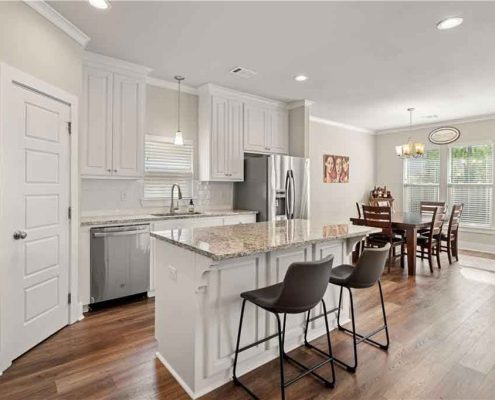
Mortgage Dip Sparks a Pickup in Homebuyer Activity as Pending Sales Rise in October

Lower borrowing costs appear to be nudging more buyers back into the housing market. Contracts to purchase existing U.S. homes climbed in October, posting a stronger-than-expected gain as shoppers took advantage of mortgage rates that had been drifting downward.

The National Association of Realtors reported that pending home sales increased 1.9% last month, following a small, upwardly revised 0.1% rise in September. Economists had anticipated a much smaller move—forecasting growth of about 0.5%—which suggests demand responded more quickly than many analysts expected.

Even with the month-to-month improvement, the market hasn't fully regained its footing. Pending sales were still 0.4% lower than a year earlier, underscoring that affordability pressures remain a major hurdle for many would-be buyers.

A seasonal shift gives buyers more leverage

NAR's chief economist Lawrence Yun noted that the months ahead may bring a different dynamic for shoppers. As the calendar moves into late fall and winter, homes often sit longer, especially between November and February, a stretch when sellers may be more willing to negotiate because fewer buyers are actively hunting.

Regional results were mixed

October's increase wasn't evenly distributed across the country. Contracts rose in the Northeast, Midwest, and the South, while the West moved in the opposite direction, showing a decline. That regional split reflects how strongly local affordability, inventory, and price levels can shape buyer behavior—even when national mortgage rates move the same direction.

Rates helped—though the path forward is less clear

Mortgage rates had been easing after the Federal Reserve resumed interest rate cuts, according to Freddie Mac data. But that downward momentum has slowed as some Fed officials have suggested they may be cautious about cutting again in December. Still, New York Fed President John Williams recently indicated that rates could decline again "in the near term," leaving the market in a watch-and-wait posture.

For buyers, the takeaway is simple: even small rate improvements can spark activity, especially when inventory and timing create negotiation opportunities. For the broader housing market, October's numbers point to cautious optimism—demand is still there, but it's highly sensitive to the direction of mortgage rates.

Click Here For the Source of the Information.
$31 Million Apartment Community Planned Near Covington to Expand Workforce Housing Options

A new mixed-income apartment development is set to break ground near Covington, aiming to add much-needed rental options in an area where local leaders have repeatedly warned that affordable housing supply isn't keeping up with demand.

The project, called Capstone at Covington Place, will bring 80 apartments to a site on Falconer Drive, near the U.S. 190 commercial corridor just north of Interstate 12. The $31 million community is being developed by the Banyan Foundation, a Birmingham-based organization with a track record of affordable and mixed-income projects across the Southeast, including sites in Louisiana.

Why this location is getting less pushback than usual

In St. Tammany Parish, apartment proposals often draw heavy criticism from residents who worry about traffic, strained infrastructure, and declining property values. This project, however, has largely avoided the kind of neighborhood opposition that tends to follow multi-family developments.

One reason is the setting: the complex is planned beside the Lowe's Home Improvement store, in a zone that already leans heavily commercial. Because the land is already zoned for multi-family housing and sits amid retail development, parish officials say it's a more natural fit than a project placed near established subdivisions.

The developer also emphasized that the organization tries to avoid pursuing sites that would trigger large-scale conflict, preferring locations where the proposed use aligns with existing zoning and surrounding land uses.

How the "mixed-income" model will work

According to the development team, the project is designed to serve a range of household incomes—not a single income bracket. Rent levels will vary by unit type and tenant income, with apartments designated for households in different earnings ranges:

  • A small portion aimed at residents earning under $30,000 per year
  • A larger share targeted to households in the $30,000–$50,000 range
  • The majority marketed toward residents earning roughly $60,000–$80,000

The goal, the developer says, is to create a community where residents with different income levels can live in the same complex, rather than separating "affordable" housing into a standalone category.

Funding tied to post-Ida recovery

A significant part of the financing—about $15 million—is coming through federal grant funding administered by the State of Louisiana, intended to support areas impacted by Hurricane Ida. That money helps close the gap that often makes mixed-income developments difficult to build without either sharply higher rents or heavy private subsidies.

A broader housing debate in St. Tammany

The timing of the project lands in the middle of a larger parish conversation: how to grow without overwhelming infrastructure—and how to create housing options that match what workers can actually afford.

Real estate figures in recent months have shown St. Tammany home prices holding at levels that can be tough for first-time buyers or moderate-income families. Meanwhile, builders have long argued that the permitting process for multi-family or entry-level housing can be difficult. Residents, on the other hand, frequently urge parish leaders to slow development until roads, drainage, and public services catch up.

Parish officials have also discussed ongoing efforts to complete a more detailed housing analysis that could clarify exactly what kinds of housing are most needed, and where.

Local official calls it a "good fit"

The parish council member representing the area said the project appears appropriately placed—largely because the zoning supports it and the surrounding environment is already commercial. He also framed it as an example of trying to balance competing interests: homeowner concerns about growth and property values, and the region's need for more housing inventory.

If the construction timeline stays on schedule, Capstone at Covington Place will soon move from site work into full development—adding 80 new rental units to a parish still searching for the right formula to meet housing demand without fueling backlash.

Click Here For the Source of the Information.

Weekend Upgrades That Can Save You Thousands

Bad weather doesn't just rattle the windows—it quietly racks up repair bills. Wind, hail, freezing temperatures, and heavy rain can all do real damage, and while homeowners insurance is there for major disasters, it's not a blank check for every problem. If an insurer decides the damage traces back to neglect—like clogged gutters that caused water intrusion or poorly maintained seals around windows—your claim can be delayed or denied.

The smartest move is reducing the odds you'll need to file a claim in the first place. Even better: these "home hardening" projects also make it easier to prove you've maintained your home if you ever do need coverage. Many of them are affordable, doable over a weekend, and may even lower your energy costs along the way.

Here are nine practical upgrades that help your home take a hit—and bounce back.

1) Seal Windows and Doors Before Water Finds a Way In

Drafts aren't just annoying; they're often the first sign that outside air—and moisture—has a path into your home.

  • Caulk gaps between window frames and the surrounding wall to tighten the seal and improve the finish.
  • Add weatherstripping to windows and door bottoms where light or air sneaks through. Make sure it compresses properly when closed.
  • If you have older single-pane windows, consider a seasonal stopgap: heat-shrink plastic window film. It's surprisingly effective for reducing heat loss and drafts.

This one upgrade can lower HVAC strain, cut energy costs, and reduce the chance of hidden moisture damage.

2) Hunt Down "Invisible" Air Leaks Around the House

Windows and doors are obvious—many leaks aren't. Small gaps in unexpected places can make a home feel drafty and overwork your HVAC.

Common culprits include:

  • attic hatches
  • recessed lighting
  • baseboards and trim gaps
  • outlets and switches on exterior walls
  • plumbing penetrations under sinks
  • exhaust vents and utility connections

Use caulk for smaller cracks and expanding spray foam for larger openings. It's not glamorous work, but it's one of the quickest ways to tighten up a home and protect it from moisture intrusion.

3) Install Gutter Guards to Prevent Water Damage (and Claim Headaches)

Clogged gutters can trigger a domino effect: overflow, foundation issues, roof rot, siding damage, and in cold climates, ice dams. Gutter guards reduce the debris that causes backups and make maintenance far easier.

If you're comfortable on ladders and can work safely, many guard systems are DIY-friendly. If not, hire it out—this is one job where a fall costs far more than the installation.

4) Insulate Pipes and Winterize Outdoor Plumbing

Frozen pipes are one of the fastest ways to turn a normal winter into a five-figure mess.

  • Wrap exposed pipes in unconditioned areas (attic, crawlspace, garage) with foam pipe insulation or pipe wrap.
  • Disconnect and store garden hoses before freezing temps arrive.
  • Protect outdoor spigots with insulated covers.
  • If you have irrigation or sprinklers, consider blowing out the lines to remove lingering water that can freeze and crack components.

This is small-cost prevention with huge upside.

5) Replace or Clean HVAC Filters on a Seasonal Schedule

A clogged filter doesn't just affect air quality—it forces your system to work harder, raising utility bills and wearing down equipment.

A good rule: every three months (or whenever seasons change). If you use reusable filters, clean them just as consistently.

6) Test Your Sump Pump—Not During the Storm

A sump pump only protects your basement if it actually turns on when water rises.

Quick test:

  1. Unplug it and clear debris from the pit and pump intake.
  2. Plug it back in.
  3. Pour a bucket of water into the basin and confirm it activates properly.

If it struggles or fails, repair or replace it now, not mid-downpour. Consider adding a battery backup so it still runs during power outages—storms love knocking power out at the exact worst time.

7) Secure Outdoor Items That Become Wind-Driven Missiles

Flying debris is a common source of storm damage—and it doesn't take a hurricane. Loose fencing, patio furniture, trash cans, trampolines, playsets, and decor can all become dangerous in high wind.

What to do:

  • Store what you can in a garage or shed during rough seasons.
  • Reinforce what you can't store: repair loose fence boards, anchor pergolas, and tighten hardware.
  • Use tie-down kits for bulky items that aren't permanently fixed in place.

This protects your home, your neighbors, and your wallet.

8) Strengthen Your Roof with Targeted Upgrades

Your roof is your home's first line of defense—and a small weakness can turn into a major interior problem.

Depending on your needs and comfort level:

Apply a roof sealant designed for your shingle type to improve moisture and UV resistance (follow product instructions carefully).

In high-wind regions, consider hurricane clips to better connect roof framing to the home's structure. This is typically a professional installation, but it can meaningfully improve resilience.

Roof work is not the place to be brave—if heights aren't your thing, hire a pro.

9) Prune Trees in Winter to Prevent Storm Damage

This one gets ignored until a limb comes down on a roof.

If you have trees near your home, garage, driveway, or fencing:

  • Have a licensed arborist evaluate tree health and identify risky limbs.
  • Winter pruning can be ideal because it's often less stressful on trees and makes structural issues easier to spot.

If you DIY, make sure you're using correct pruning methods—bad cuts can invite disease or encourage weak regrowth.

The Big Idea: Maintenance Is Your Best Insurance Strategy

Insurance is for sudden, unavoidable disasters—not slow-building problems that look like preventable upkeep. A weekend spent sealing, securing, and testing the basics can dramatically reduce your risk of damage, help your home run more efficiently, and strengthen your position if you ever need to file a claim.

If you want, tell me your region (humid/coastal, tornado-prone, snowy/freezing, etc.) and the age of your home, and I'll rank the top 3 projects that will give you the biggest payoff first.

Click Here For the Source of the Information.